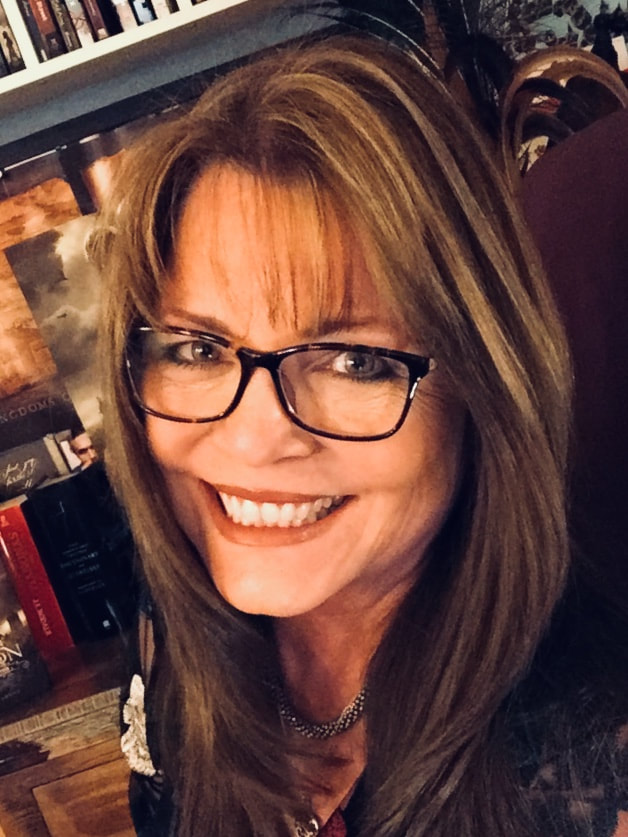
| (note: I was originally asked to write this piece for another venue a while back, but because of a scheduling miscommunication, I was able to post it here instead.) Ageism in Hollywood is no secret. Actress after actress, after screenwriter, after director has called it out. Screen great Helen Mirren called it “fucking outrageous.” No argument there. But is there ageism in the YA industry? Of course there is. We are a cross section of our society and not immune to any kinds of isms. But how does ageism manifest itself in our industry? How rampant is it? I've been pondering this for a while. Wondering. I’ve seen tweets and heard comments by industry people I greatly admire, smart informed people who are in-the-know and sensitive about language and assumptions, and yet use the word “old” as a derogatory adjective in regard to people. If someone is a jerk, fine, but they are not a jerk because they are ugly, fat, another race, or any other aspect of their person, including because they are old. But does it go deeper than that? I know part of it is the limitation of our language. Old is most often associated with expired things like milk, or worn out things like shoes with holes in them. Things we want to discard. Does this negative association with the word become a background beat that has repercussions for individuals who have several decades under their belt? Over a year ago, I responded to a young writer who was worried as she approached thirty that she was getting too old to be published. What?! I assured her she wasn’t and told her I wasn’t published until I was forty-four. I told her that since then I’d had ten books published in over twenty languages worldwide and had more to come. Age thirty wasn’t the end of the road by a long shot. But some time later I addressed a similar question from yet another young writer. My antennae had already been rising a little higher, especially when I would go to a book event and I was the only older woman there, or I would see a lineup of panels posted on social media and all the faces were very young. I wondered, where are the older writers? Have they stopped writing? I don’t think so. And yet the perception says otherwise. And then I saw a whole thread on Twitter from Susan Dennard, NYT bestselling author of the Witchland series. Susan has extensive writing information on her website so she hears from a lot of young writers. In Susan’s twitter thread I saw this same anxiety from young writers rearing its ugly head again—and again. The replies were staggering. I talked to her about this and she said: “In March, I got a wee bit angry on Twitter about ageism in YA. I had seen someone complaining about turning 30 and being past their prime, and considering I am 34 and only just getting started in this business... Well, it set off a nerve. On top of that, I frequently get messages from young aspiring authors -- I'm talking under age 20! -- who think they have somehow missed the boat on success. I don't know if it's a product of Youtube and Instagram culture, where there are a lot of teenage success stories, but the reason doesn't really matter. The fact is that it isn't true, and this pervasive belief is deeply damaging. There is no expiration date on writing. There is no expiration date on success, and I will keep preaching this until my younger and older readers believe me.” Preach it, Susan. I boosted Susan’s thread with a tweet of my own and added: “I’ve addressed this from young writers too. What bleeping message are we sending our daughters? We try to box women in from the day they are born. Stop. There is no creative clock ticking!” Indeed, what message are we sending our daughters? And to published young women in their thirties? That their careers are limited? There is a problem here. I think its roots are multifaceted and run deep, much of it grounded in our cultural obsession with beauty, and probably on a deeper level, fear of our own mortality. It has spawned an entire industry of “anti-aging” products. Because aging is horrible, right? Is invisibility one of its symptoms? Award-winning author Louise Hawes, discussed this invisibility here, touching on the subject of where marketing dollars are being directed and especially addressing author photos on jackets. It prompted me to make sure my author photo was in my next book. While I don’t have gray hair, I do have wrinkles and I didn’t want my lack of an author photo to contribute to this sense of invisibility. I am sixty-two. I want readers to know older writers exist. We are still creating. I spoke with Kate Elliott, NYT bestselling author of the Court of Fives series and more than twenty other novels, and she talked about this invisibility issue too, saying, “About ten years ago when Rolling Stone Magazine published its usual best 50 albums of the year I ran a quick scan through the list. I can’t recall for sure but I’m going to guess that not more than five were albums by women, and of course not one of those women was over 35. The lack of woman artists being honored as “bests” was bad enough, but the other unexamined message was downright chilling: Older women don’t produce important art. “Where I see a lack of older women—as characters, as role models, as a visible, valued presence in the arts (unless they established themselves as a big name when they were younger)—I see girls and young women being told they have no future to grow into even if they are the kickass heroine now, no important work to look forward to once they cross a certain threshold. It doesn’t have to be stated outright; it’s revealed by absence.” If older women in the arts become a rare species, will young writers fear for their own careers? Will middle-aged women just give up because of some antiquated message our culture perpetuates? When was the last time we saw a fifty-year-old debut author being heralded? Publishing a book at a young age is, of course, remarkable, but so is publishing a book at fifty. I’m concerned about the increased pressure on women in the writing world, thinking that a clock is ticking and their career choices are limited. As I said in my tweet, why do we always try to box women in from the day they are born? I felt it as a teen. I feel it now. Women are enough at whatever age they are. A twenty-year-old shouldn’t have to panic as she approaches thirty—or feel the rush to publish a book before she is ready. Likewise, an older woman writer should be proud of her age and every damn wrinkle she has acquired and not feel it is a hindrance to her career. And as a related aside, if I see one more cosmetic ad promising to “erase years” from my face or make me “look younger” I will scream. I don’t want to be young again—been there, done that—I have intense curiosity for the whole journey. Don’t suggest I should erase who I am. Stop shaming women of all ages. We are enough just as we are. This is also personal for me. I have two daughters and three granddaughters. And I have friends, acquaintances, and writing colleagues, older women who have hit career and publishing walls. I want them all to see that we value women at every stage, and to see an abundance of older women who are active and vibrant and who have thriving careers. I want them to see that their choices are not limited, but wide open. No more ticking clocks. I’ve chatted about this topic with Robin LaFevers, author of the NYT bestselling His Fair Assassin series and the forthcoming Courting Darkness, and she mentioned how easy it was for a woman to internalize this insidious message our culture broadcasts about aging women. She says, “We have to begin dismantling that, not only for ourselves, but for younger women who will be living even longer lives than we will. They will be faced with far more years of being told they have nothing of value to offer if we don’t start addressing this now.” We have only scraped the surface here. The constraints of word count have left many other aspects of ageism yet to be explored, like the effects of ageism on men, the roles social media and platforms play, and more. I think this conversation is just beginning. Finally, I was speaking with my agent, Rosemary Stimola, who has helped usher in many award-winning and bestselling books including the megahit Hunger Games. Agenting is Rosemary's third career, which she did not begin until her mid-forties, and she feels strongly that all that preceded it laid important groundwork for her becoming the agent she is—and she shows no sign of slowing down. She offered this about ageism, “I don’t think this notion is particular to writers, as ageism exists in all fields. In the end, we just keep showing them how wrong they are . . . ” Amen, Rosemary. | |
|
31 Comments
One month from today Dance of Thieves will be here! And I will be hitting the road on Pub Day to celebrate and talk about and sign Dance of Thieves! And most especially--to meet you! I hope! Here is the schedule. You can find out more details here including special guests, and reserving a spot for the launch. Also, there is exclusive very cool swag to be found only the tour--while supplies last! So be sure to come! (Also, did you know about the amazing preorder offer? Those details are here! And let me just say, the die cut bookmark is beautiful!) 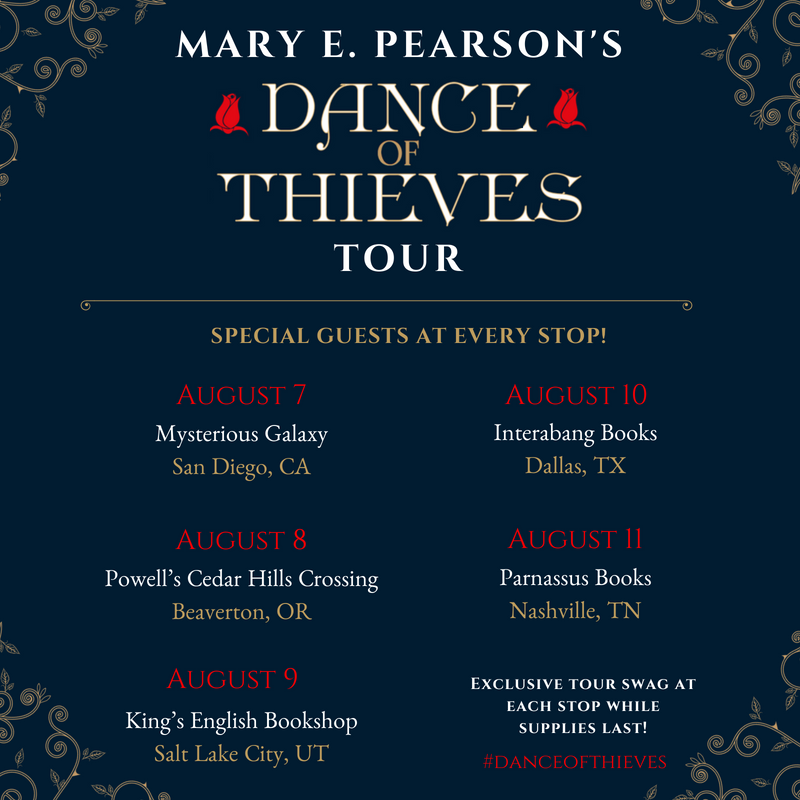 My publishers is doing a WOW preorder offer! Look what happens when you preorder DANCE OF THIEVES: Everyone who submits a preorder receipt will get a fancy die-cut bookmark (I love it! It's so pretty!) . . . AND . . . drumroll . . . be entered for a chance to attend the AHmazing Texas Teen Book Festival and hang out with me! Yes!!!! Find out all the details HERE! I'm so excited! I hope you are too! Dance of Thieves will be here August 7th! xo 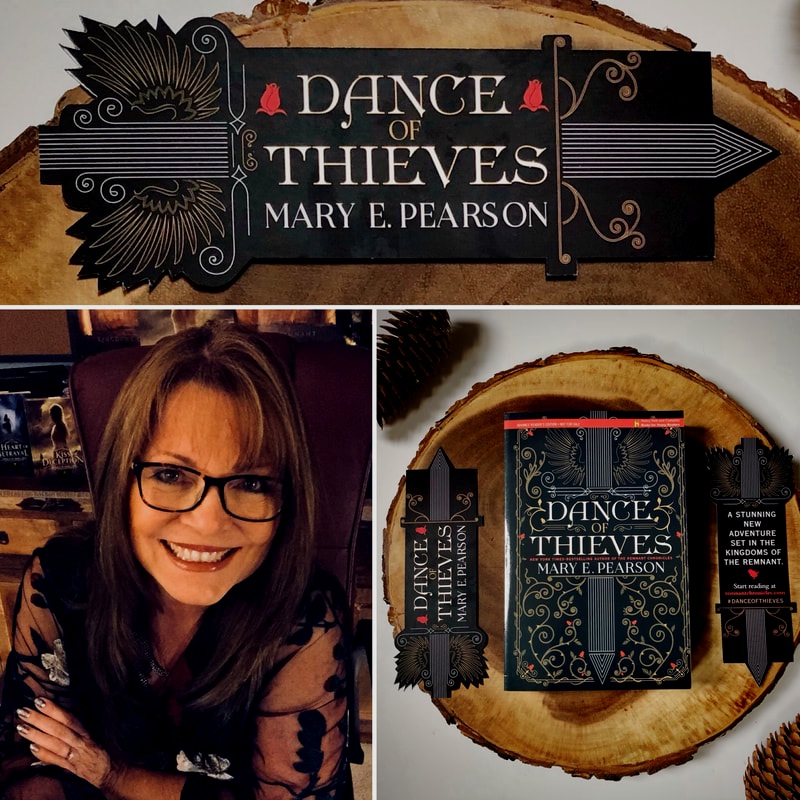 I hope! I hit the road in just a few days on the Fierce Reads Tour with three amazing authors. It is going to be a blast. I hope you'll come join us! Here is the map of our stops, and here is the link with more book store and author details! 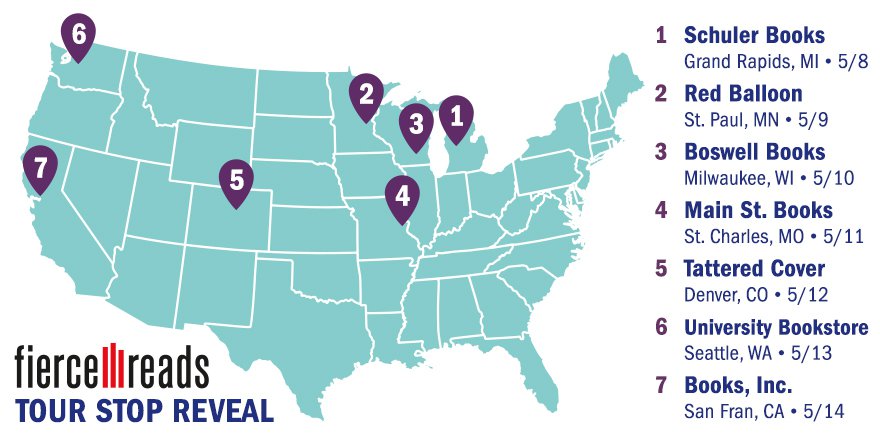 Dance of Thieves is getting closer and . . . An exclusive excerpt from DANCE OF THIEVES has been revealed at Entertainment Weekly! Go meet Kazi and Jase and step back into the Remnant universe! And then . . . check out this arc sweepstakes giveaway that Fierce Reads is hosting! TEN arcs of DANCE OF THIEVES are up for grabs! Hope you get one! xo 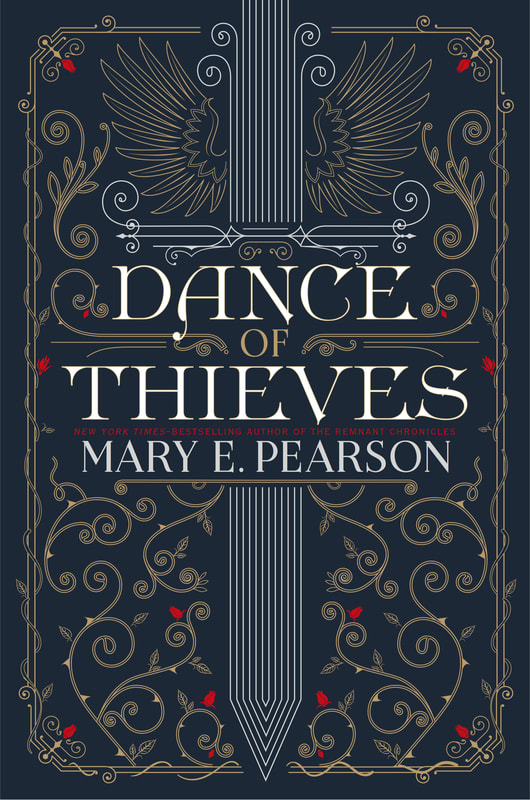 Wait, where am I? Blog land? If it seems I have been under a rock for the most part lately, it's because I have been. After finishing The Remnant Chronicles, I had a few things piled up around here to take care of (literal piles) and then I dug in with a book in January that had a short deadline.
Easy-peasy I thought, because this story had already been simmering in me for over three years, ever since I was halfway through The Heart of Betrayal. Plus, it's set in the Remnant Universe. I knew this world! And the characters were chomping to get on the page! Always talking to me! But, nothing is ever as easy as it seems--especially with a whole new cast of characters that are all well-armed and sneaky--especially when you find yourself falling in love with them and wanting to get their stories just right. Thus, my rock that I've been hiding under. *brushes off moss* But now the draft is done! Revision has begun! And the cover (oh my gosh--it exceeded all my dreams) has been revealed at USA Today HEA blog. I hope you love it as much as I do! DANCE OF THIEVES will be out next August! Check it out! Let me know what you think! http://happyeverafter.usatoday.com/2017/09/20/dance-of-thieves-cover-reveal-mary-e-pearson/ XO 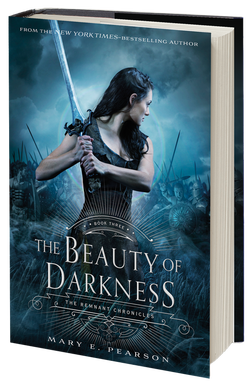 The Beauty of Darkness! It's almost here! And before I hit the road and the prepub craziness turns to a whirlwind of fun chaos, I wanted to take a rare quiet moment to thank you. Thank YOU the readers. This journey began back in the fall of 2013 when the arc of The Kiss of Deception came out. The Kiss of what? It was a brand new trilogy that few had heard of. But a few advanced readers read it, embraced Lia's story, and spread the word (thank you!) From there a few more read it, and then a few more. You went on this journey with us. Yes, and with Rafe and Kaden too. By the time The Heart of Betrayal came out, there was an army of you rooting for this trio, and you spread the word even more! Along the way, you tweeted, blogged, and instagrammed, sharing your thoughts with me and others. I giggled and laughed (the gifs!), admired your art and graphics, and loved your thoughts and reactions. Now The Beauty of Darkness is almost here, and you are continuing to share and spread the word to new readers, for which I will forever be grateful. THANK YOU to all for going on this journey with Lia--and me. One last leg to go! Thank you too, for the many who have preordered this final book. It makes a huge difference and means the world to me. Thank you so much. I leave on tour soon. I hope I'm coming to a town near you and we'll get to meet! If not, I hope at some point in the future I will make it to your hometown! Here's where I'll be going. If you click the links you can see addresses and store details. (From most of these stores you can preorder signed personalized books if you hurry. Check with individual stores.) Tuesday, August 2nd, 6:30pm Dove Library, Carlsbad, CA Wednesday, August 3rd, 7pm Hicklebee's, San Jose, CA Thursday, August 4th. 7pm University Bookstore, Seattle, WA Friday, August 5th 6pm Tattered Cover, Aspen Grove,Denver, CO Saturday, August 6th 3pm BookWorks, Alburquerque, NM Sunday, August 7th 3pm Anderson's Bookshop, Naperville, IL Monday, August 8th 7pm Joseph-Beth Booksellers. Lexington, KY Tuesday, August 9th 7pm Towne Book Center & Cafe, Collegeville,PA September 9, 2016 TIME TO COME Chapters Metrotown, Vancouver, BC Sending bouquets and love. XO  Are you going? I am! I hope I see you there! Here is my schedule: COMIC CON SCHEDULE FRIDAY, 10 am Love in the Time of YA PANEL Room: 32AB With: Kami Garcia, Andrea Cremer, Brenna Yovanoff, Amy Tintera, Kate Elliott, and Alexandra Bracken Autographing to follow at 12pm, Area #AA 09 FRIDAY, 2 pm It’s the End of the … Series (as we know it) PANEL Room: 29AB With: Alexandra Bracken, Marissa Meyer, Kami Garcia SATURDAY, 10:30 am Facebook LIVE Interview from the Comic Con Exhibit Hall. Watch at Fierce Reads Facebook Page SATURDAY, 11 am Signing at Macmillan Booth # 1117
First off, I want to clarify. . . this is not Lia's "official" kavah.
The Remnant Chronicles are stories, and stories are made up of words that create images, so whatever image you imagined, IS what her kavah looks like. I don't own the words, I just put them down. (This applies to book covers too! They are not the final say on what a character looks like.) So, back to the kavah. Here's what The Kiss of Deception tells us about it:
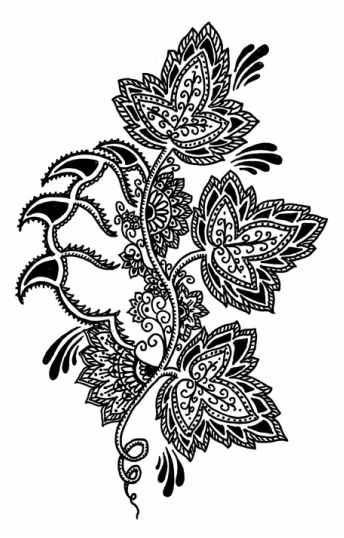
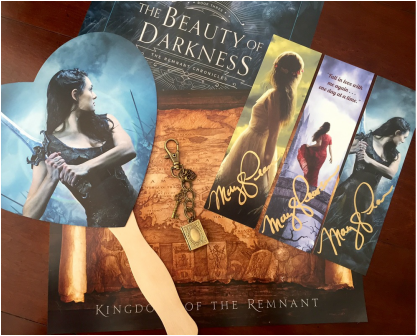
So I doodled around and this was one possible way I thought the kavah might look--a little snip of grapevines and a lion claw. Lia's kavah was supposed to be temporary, lasting only a few weeks, but in Lia's case something went wrong (or maybe right?) and some of it became permanent. On my Pinterest page I have a bulletin board of henna body art and designs where you can see how elaborate they can be. Maybe these pictures will help spark some of your creative energy. Now for the giveaway part! What do you have to do to enter? This: 1) Draw a kavah! It's easy! There's a "blank" kavah below that you can add your own designs to (a fine point Sharpie works great. Just print the blank out on a piece of paper and have at it!) OR you can start from scratch. Interpret Lia's kavah for yourself. From badass to sweet, I'd love to see what you come up with! 2) Post a picture of your kavah creation on Twitter, Instagram, or Tumblr 3) INCLUDE this hashtag in your tweet or post: #RemnantChronicles (This is a must!) 4) Follow instructions on Rafflecopter entry below. Leave a comment. (edited to add: You don't have to wait to do this step last--you can do it now.) The giveaway ends at midnight on 7/20/16 That's it! And yes, it is open internationally! THREE random winners will get: 1) A signed and personalized hardcover of The Beauty of Darkness 2) A Beauty of Darkness heart-shaped fan! (for my amazing fans) 3) A Remnant Chronicles Charm. Hang it from your purse, backpack, zipper, belt loop--your pony tail! Whatever suits you! Inside the little antique brass book it says, "In the farthest corner, I will find you." 4) Signed bookmarks from all three books. 5) A mini poster of the gorgeous map! (and the reverse side is the cover of The Beauty of Darkness)
And last but not least, the "blank" kavah I mentioned is below.
Have fun with this! Doodle your heart out! It is quite relaxing. Or ditch the blank and create something entirely new! I can't wait to see what you come up with! Neither can Lia! XO 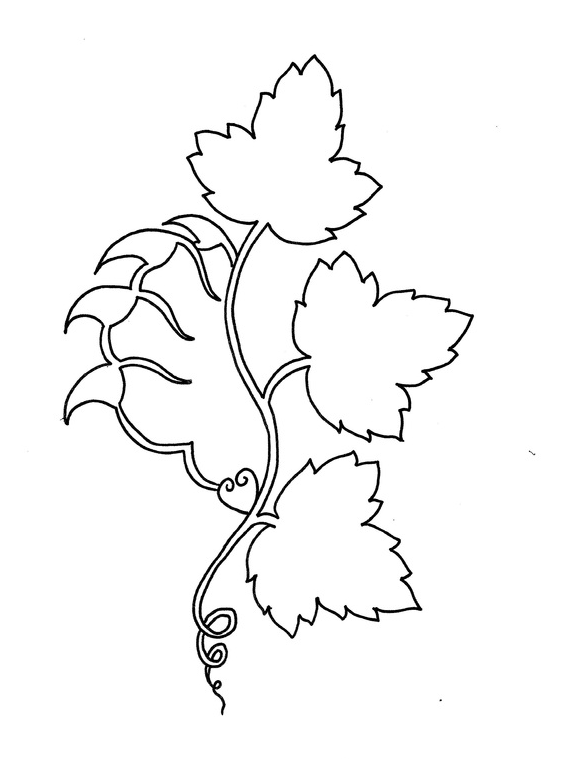
Hey all, I'm going to be speaking at a February 13 SCBWI event! It takes place on the USD campus in the Hahn School of Nursing from 2-4. It is open to members and non-members, details here. And directions are here. Here is the blurb for the talk. I hope I see you there! Juggling the Art and Business of Writing: Craft, Tips, and Realities Mary E. Pearson discusses and shares the journey of writing a trilogy, from the first proposal to her editor, to the work of promotion, to wrestling with unexpected challenges along the way, and most importantly, keeping the writing passion alive through 1700 pages of story. 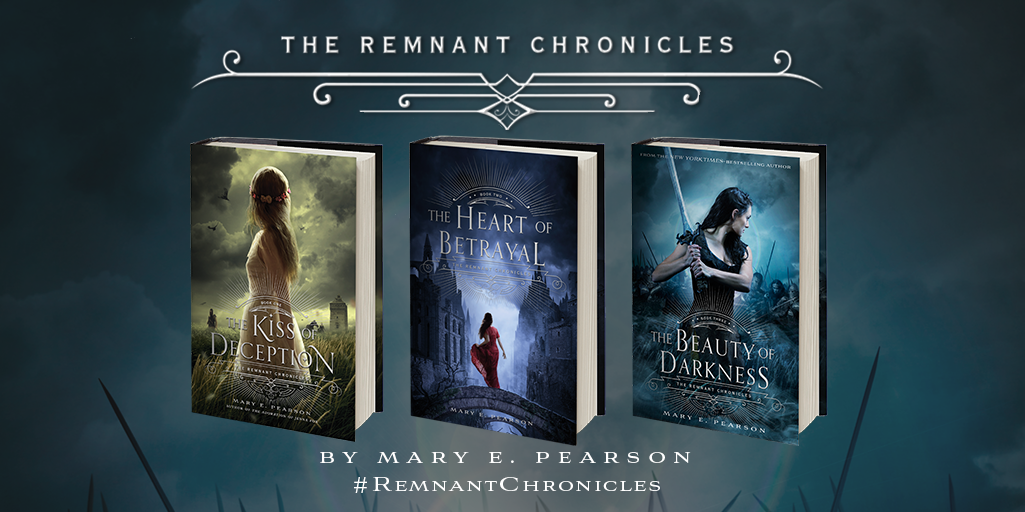 |
AuthorMy ramblings about writing and books--and news! Archives
September 2018
Categories
All
|
 RSS Feed